






Loose Leaf Tea
Showing 26 Results


130 Reviews
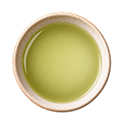
Japanese green teas are defined by one decisive step: steam. Within hours of picking, the leaves are steamed rather than pan-fired, locking in a vivid emerald color and a flavor found nowhere else in tea — fresh-cut grass, spring vegetables, and the deep savory note the Japanese call umami. It's a craft refined over centuries, and this shelf carries its range: sencha, Japan's beloved everyday cup; genmaicha, mellowed with toasty roasted rice; and kukicha, the light, naturally sweet brew of tender stems. If Chinese greens are a warm afternoon, Japanese greens are the first bright morning of spring — brisk, vivid, and bracingly alive.
from
$29.00
97 Reviews
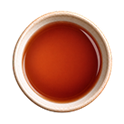
The craft behind Chinese green tea begins with fire — specifically, the wok. Within hours of harvest, fresh leaves meet hot metal in a step tea makers call shaqing, 'killing the green': the pan-firing that halts oxidation to lock in freshness while coaxing out the warm, nutty, chestnut-sweet character that defines the Chinese style. Mastering it takes deep knowledge of how leaf and heat behave together — every day's picking differs in moisture and tenderness, so the tea master adjusts temperature, timing, and pressure by feel, often judging the wok's heat with a bare palm. Each famous style then takes its own shape. Dragon Well is pressed flat against the wok into smooth jade blades through ten traditional hand movements; gunpowder is rolled into tight little pearls that unfurl dramatically in the cup; mao feng is gently curled to protect its downy tips. The finished leaf wears its making in its form — you can read the craftsman's hand before you ever add water — and that care carries from mountain garden to cup: toasty, mellow, and quietly sweet. The warm afternoon to Japan's bright spring morning.
from
$29.00
69 Reviews
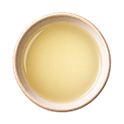
Born in the misty tea mountains of Yunnan — pu-erh country — Yue Guang Bai is white tea gone gloriously off-script. This isn't just another delicate white: it's made from the broad leaves of Yunnan's ancient tea trees, some centuries old, giving it a fuller, fruitier, more velvety character than any classic white — with strikingly beautiful two-toned leaves, dark above and moon-silver below. The name translates to "Moonlight White," a nod to the legend that these leaves are withered only by night, never touched by direct sun. That romance has made it one of the most sought-after whites among collectors — yet its soft, apricot-honey sweetness makes it an easy first step into rare tea for anyone ready to taste something quietly extraordinary.
from
$29.00
119 Reviews
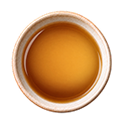
Discover Silver Needle - the most celebrated of all white teas, harvested from tender spring buds in Fujian's coastal gardens, where generations of tea-making knowledge shaped the style the whole world now measures white tea against. Each silvery, down-covered bud earns the tea its name — "White Hair Silver Needle" — plump spears of soft fuzz prized by collectors for their beauty in the tin and in the glass. Our Silver Needle is tradition in its purest form: nothing but unopened buds, gently withered in sun and air to protect their delicate character. The result is a pale gold cup of remarkable subtlety — melon, honeysuckle, a whisper of fresh hay — the gentle benchmark against which every other white tea is measured.
from
$29.00
74 Reviews
Experience our Green & Floral oolongs — the jade-green heart of the oolong family, cherished treasures from the misty mountain gardens of Fujian and Taiwan. Often likened to a fresh bouquet for their orchid perfume and cream-soft finish, these teas are prized by tea lovers worldwide for their fragrance and for their springy, tightly rolled pearls — unmistakable the moment you open the tin. Each harvest is picked at its peak and handled with a light touch: just a kiss of oxidation and a patient hand-rolling, keeping the leaf's fresh green character while awakening its florals. The result is the classic pearled style collectors recognize at a glance — radiant to smell, silky to sip, and the easiest welcome into oolong you could pour.
from
$29.00
79 Reviews
Chamomile is one of the most distinctive flowers in the botanical world — a member of the daisy family whose small golden-and-white blossoms have been gathered for the cup since antiquity. The finest grades are picked selectively: only the fully opened flower heads, gathered at peak bloom when their honeyed, apple-soft fragrance is strongest, then dried slowly and gently, shielded from harsh light and heat, so each blossom arrives in your pouch whole and aromatic. What sets our Chamomile & Calming shelf apart is that it's a gathering, not a single herb — an umbrella for the gentlest infusions in the Hive. Alongside golden chamomile you'll find silvery lavender, bright lemon balm, and soft linden blossom, each caffeine-free and each a slightly different shade of calm. Whichever you pour, this is the corner of the shop that ends the day.
from
$29.00
50 Reviews
Earl Grey stands among the most celebrated cups in the tea world, earning its fame through nearly two centuries of British blending tradition — brisk black leaves lifted by the bright citrus perfume of bergamot. It's the rare tea that everyone recognizes by scent alone: open the tin and the whole room knows what's steeping. The "Earl" in the name is no invention — the blend really is named after a Prime Minister, Earl Charles Grey, making this quite literally a tea with a title. Around that aristocrat gathers the rest of our flavored family: cream-soft vanilla blacks, toasty caramel blends, and berry-brightened cups — every one built on the same quality leaf as our plain blacks, flavored with real ingredients, and finished to pour beautifully with milk, lemon, or nothing at all.
from
$29.00
75 Reviews
Experience the most fragrant tradition in green tea: jasmine scenting, an art perfected in China's Fujian province over centuries. It begins with a paradox — the tea is spring-picked and set aside, while the jasmine waits for late summer, when the blossoms are at their most perfumed. And unlike almost everything else in tea, the crucial work happens after dark: jasmine flowers open only at night, so each evening fresh blossoms are layered with the waiting leaves, breathing their perfume into the tea until morning, when the spent flowers are lifted away. Each batch of our jasmine tea repeats that patient ritual — the finest grades are scented five nights or more with fresh blossoms each time, until the leaf itself carries the flower's soul and needs no petals left in the tin to prove it. The best-loved form rolls those scented leaves into little pearls that unfurl as they steep, releasing perfume in slow motion. Whether you're a devoted green tea drinker or simply chasing the most beautiful scent in the shop, jasmine tea offers a taste of one of China's most romantic tea traditions.
from
$29.00
61 Reviews
Masala chai stands as the most beloved tea preparation on earth, born not in remote gardens but on the street corners and railway platforms of India. The name is simply Hindi: <em>masala</em> for the spice blend, <em>chai</em> for tea — which is why "chai tea" always makes tea people smile, since it literally means "tea tea." Its heart, though, does come from a legendary landscape: Assam's hot, monsoon-drenched Brahmaputra valley, among the rainiest tea regions in the world, whose climate produces the bold, malty black leaf strong enough to hold its own against milk, sugar, and spice. What makes masala chai truly special is that it was never meant to be exclusive. This is the people's tea — brewed by the millions of cups daily, poured from battered kettles by chai wallahs, its recipe kept in families rather than factories, every household guarding its own ratio of cardamom, ginger, cinnamon, clove, and black pepper. Unlike delicate teas that ask for hushed attention, chai is warmth you can lean on: robust, spicy-sweet, and unapologetically comforting. Our blend honors the classic — real Assam, whole spices, nothing artificial — made to be simmered with milk the way India has poured it for a century.
from
$29.00
28 Reviews
Kenya Purple represents one of the tea world's newest treasures, harvested from a rare purple-leafed cultivar that thrives in the volcanic soils and fierce equatorial sunshine of the Kenyan highlands. The striking violet leaves owe their color to anthocyanins — the same pigments that paint blueberries and blackcurrants — which the plant produces as natural sunscreen against the intense high-altitude light. That unusual chemistry carries into a cup unlike anything else in the Hive: light and silky, gently sweet, with soft plum-and-berry notes and the faintest violet tint in the liquor. What truly sets Kenya Purple apart is the patience behind it: the cultivar was selected and refined over twenty-five years by Kenya's Tea Research Institute before farmers ever planted it — making this perhaps the only tea on our shelves whose "tradition" was born in living memory. Gentle hand-harvesting and careful processing preserve those delicate pigments from garden to pouch, and showcase why Kenya — long the quiet workhorse behind the world's teabags — is suddenly producing some of its most exciting rarities.
from
$29.00
29 Reviews
Flavoured whites represent one of the most charming developments in modern tea blending, where the tea world's most delicate leaf becomes a canvas for gentle creativity. The craft asks for patience of an unusual kind: white tea's soft, honeyed voice is easily drowned, so these blends are built on restraint — a scattering of rose petals, a whisper of peach or elderflower, fruit added by the pinch rather than the handful — layered and tasted until the white tea still leads and the flavour merely sings harmony. Unlike bold black blends that can shoulder anything thrown at them, a flavoured white emerges from a far more careful courtship. What sets this shelf apart is balance: blends that bridge the gap between the hushed purity of Silver Needle and the easy charm of a fruit cup — the friendliest doorway into white tea for anyone who finds the plain versions too quiet at first. And the blending transforms more than taste: silvery, down-tipped leaves strewn with petals and golden fruit make these the prettiest pouches in the Hive — as lovely open on the counter as in the glass — while keeping the gentle, soft-spoken nature that makes white tea beloved.
from
$29.00
36 Reviews
Experience Dragon Well — Longjing — the most celebrated name in Chinese green tea, cultivated on the misty hillsides ringing West Lake in Hangzhou, a landscape so beloved that Chinese poets spent a thousand years running out of words for it. The tea takes its name from a real place: an ancient well in Longjing village, where legend held that a dragon dwelt in the depths — and where, after rain, the mingling waters still swirl at the surface as if something stirred below. Distinguished by its flat, smooth, sword-shaped leaves — pressed by hand against the hot wok until they gleam like little jade blades — this is the tea by which all other Chinese greens are measured. Our Dragon Well is picked in the first days of spring, one tender bud and leaf at a time, when the earliest lots are dated and prized like vintages. What awaits in the glass is what tradition calls the tea's four wonders: emerald color, an orchid-fresh fragrance, a beautiful leaf, and above all that signature taste — toasty roasted chestnut melting into a soft, sweet finish that lingers long after the cup is empty. One sip explains a millennium of devotion.
from
$29.00
34 Reviews
Milk Oolong stands among the most beloved cups in the oolong world, grown in the high, mist-wrapped gardens of Taiwan, where cool nights and slow mountain growth coax a natural creaminess from the leaf that no other tea possesses. What sets it apart is everything that happens after picking: the leaves are withered in mountain air, gently tumbled to awaken their aroma, oxidized only lightly, then rolled into tight jade pearls and finished with a whisper of a bake — every stage timed by the maker's nose rather than the clock. That craft yields a remarkably layered cup for something so easygoing: fresh cream and warm butter up front, then gardenia, a soft vanilla sweetness, and a clean, sugarcane finish that lingers. The result is a silky, golden brew with rare staying power — the pearls unfurl a little more with every steep, giving three, four, even five infusions from one spoonful — which is precisely why Milk Oolong has become the tea that turns curious first-timers into devoted oolong drinkers.
from
$29.00
24 Reviews
Roasted & Dark oolongs stand apart in the tea world not for the freshness of the leaf but for what finishes it: fire. Their home is the Wuyi Mountains of northern Fujian — a UNESCO-protected maze of cliffs and gorges where tea bushes root directly into mineral-rich rock crevices, earning these teas their name of yancha, "rock tea," and their prized signature: a cool mineral echo in the finish that tea people call yan yun, the "rock rhyme." The shelf's headliner carries the grandest name in oolong — Da Hong Pao, the "Big Red Robe," named for the legend of a grateful scholar who, cured by this tea on his way to the imperial exams, returned to drape the bushes in scarlet robes. The six original mother bushes still cling to their cliff today, so treasured that picking them has been banned since 2006. What makes this shelf especially beloved is how welcoming its darkness turns out to be. Long charcoal roasting — the leaves returned to warm embers in patient rounds over weeks, resting between each — rounds away every rough edge, leaving glossy, twisted mahogany strips that brew smooth and deep: dark chocolate, toasted grain, caramel, ripe stone fruit, and that whisper of warm rock. It's the corner of the tea world where people reach for wine language — nuanced, earthy, built to evolve, with fine lots even aged like cellared bottles — and it's the natural home for coffee drinkers crossing over, offering everything they love about the roast with none of the bitterness. The cozy, contemplative end of oolong: made for slow evenings and cold months.
from
$29.00
48 Reviews
From the quiet storerooms of Fujian comes one of tea's most rewarding secrets — a shelf where white tea's legendary gentleness meets the cellar-keeper's art. Aged White, known locally as lao bai cha — "old white tea" — represents the fusion of two traditions: the barely-there withering that creates white tea, and the patient aging borrowed from pu-erh country, which finishes what the maker deliberately left undone. Fuding wisdom sums it up in a rhyme every tea seller there can recite: "One year, tea. Three years, medicine. Seven years, treasure." We'll leave the middle line to folklore — around the Hive, we age white tea purely for what the years do to the flavor. The craft asks for meticulous patience: sturdy later-spring pluckings — the generous Shou Mei and Gong Mei grades built for the long haul — are pressed into cakes or laid down loose under carefully kept conditions, dry, dark, stable, and far from kitchen smells. The transformation unfolds over years rather than days, because white tea's minimal processing leaves the leaf quietly alive; slow natural change deepens it fundamentally, trading fresh hay and melon for honey, dried apricot, jujube date, and warm autumn woods, as the cup darkens from pale champagne to glowing amber. The result keeps white tea's renowned softness while gaining the one quality no maker can add: depth that only time provides.
from
$29.00
33 Reviews
Ripe Pu-erh stands as the most intriguing invention in modern tea history: a style created in living memory to honor something ancient. For centuries, cakes of Yunnan's large-leaf tea mellowed into dark, smooth treasure only through decades of patient storage — a taste that time alone could buy. Then, in 1973, Yunnan's master blenders perfected wo dui, "wet piling": moistened leaves rest in warm heaps for weeks while friendly microbes perform, in a single season, the deep transformation that once took a generation. And a classic Ripe Cake is not a single harvest but a masterfully balanced composition — leaves of different grades, gardens, and seasons blended to a guarded house recipe, some so beloved they've been repeated, batch after faithful batch, for half a century. What sets Ripe Pu-erh apart is how consistently smooth all that darkness turns out to be. Fermentation melts away every trace of bitterness, leaving the deepest yet gentlest cup in the Hive: dark chocolate, molasses, ripe dates, sweet forest earth after rain — thick, velvety, near broth-like, pouring a garnet liquor that flirts with black. The pressed cake itself is a handsome thing, mahogany leaves flecked with golden buds, and it only improves as it rests: years soften the ferment's edges and deepen the sweetness, which is why each cake wears its vintage on the wrapper. That reliability has made Ripe Pu-erh the welcoming door into tea's deepest world — smooth enough for the curious newcomer, storied enough for the collector laying down cakes for the next decade.
from
$29.00
37 Reviews
The appeal of High Mountain oolong — gaoshan cha — lies in a lovely paradox: the loftiest tea in the Hive is also one of the gentlest to drink. By Taiwanese tradition, only tea grown above 1,000 meters may wear the gaoshan name, and up there everything slows — thin air, cold nights, and afternoons wrapped in drifting cloud stretch each leaf's growth, thickening it and hoarding its sweetness while the chill keeps bitterness from ever properly developing. Many tea lovers point to their first gaoshan as the cup where terroir stopped being romance and became something they could taste: flowers, fresh cream, sugarcane, and a cool, clean finish Taiwanese drinkers call gaoshan qi — "mountain air." This tea has earned its reputation peak by peak: Alishan, where gardens sit above a famous sea of morning cloud; Lishan, "Pear Mountain," where tea shares its slopes with alpine orchards; and Dayuling, whose plots near 2,600 meters rank among the highest tea gardens on earth. Scarcity is built into the geography — there is only so much mountain above the cloud line, the slopes are too steep for machines, and the prized pickings come just twice a year, in spring and winter. Each small harvest is hand-plucked, rolled into glossy jade pearls, and rushed into vacuum-sealed pouches to trap the mountain's freshness — the summit of Taiwanese tea craft, and the natural crown of our oolong shelf.
from
$29.00
28 Reviews
Rooibos stands apart in the herbal world with an origin story no other cup can match. Despite being loved worldwide as "red tea," it isn't tea at all — and it grows in exactly one place on Earth: the Cederberg mountains north of Cape Town, South Africa, part of a fynbos wilderness so botanically unique it ranks as its own floral kingdom. Every attempt to farm rooibos anywhere else has failed; the needle-leafed bush simply refuses to leave home. What makes this shelf truly special is its reputation as the easiest comfort in the Hive. The needles are bruised and left to oxidize in the African sun — turning that famous amber-red and developing a naturally sweet, nutty mellowness with no bitterness to find, however long you steep. Beside it sits honeybush, rooibos's rarer mountain cousin, named for blossoms that smell of honey and pouring even rounder and more dessert-like. Both are caffeine-free and gentle enough for the whole family, from evening readers to the smallest cup at the table — an accessible, sun-warmed welcome to the red-bush world.
from
$29.00
35 Reviews
Discover Fu Zhuan, the legendary Chinese brick tea that stands apart from everything else in the Hive through one remarkable feature: break the brick open and you'll find the dark leaves speckled with tiny golden dots, like stars in a night sky. These "golden flowers" are a prized, harmless culture that develops inside the brick as it ages — and in China, the more golden flowers a brick shows, the more treasured it is. In the cup, they give the tea a smooth, mellow character with a gentle sweetness often compared to apricots. Fu Zhuan is among the most sought-after dark teas because of the skill its creation demands. Unlike ordinary teas, which are simply dried and packed, Fu Zhuan goes through an extra step called "flowering": the pressed bricks rest in carefully kept warmth and humidity for weeks, coaxing the golden blooms to appear all through the tea. For centuries this was so difficult to achieve that it only worked in one Chinese town — and the finished bricks were carried by caravan along the old tea roads to Tibet and Mongolia, where they were prized enough to be used as money. Brewing is easy: flake a few pieces off the brick, use fully boiling water, and re-steep many times — the flavor is dark, smooth, and warming, with no bitterness at all.
from
$29.00
53 Reviews
In rich garden soils from the American Northwest to the fields of Central Europe grows the herbal world's great refresher: peppermint. It owes its existence to a happy accident — peppermint is a natural cross between watermint and spearmint, first noticed in English fields centuries ago, and its hybrid vigor is what packs the leaf with cooling menthol oil. Harvested at peak bloom, when the oils are strongest, and dried gently to keep them, good peppermint announces itself the moment the tin opens: bright, cool, and unmistakably alive. This shelf has earned its following through honest intensity — fine peppermint carries notably more essential oil than common mint, which is why one spoonful can cool an entire pot. Yet for all that vigor, the cup stays smooth and friendly: naturally sweet, caffeine-free, impossible to over-steep, and refreshing hot or iced. Around the headliner gather the garden's other fresh voices — grassy-bright lemongrass, gentle spearmint, lemony verbena — the shelf to reach for after dinner, on hot afternoons, or any time the day needs a clean, cool restart.
from
$29.00
38 Reviews
White Peony — Bai Mu Dan — stands as the best-loved cup on our white shelf, prized as the fuller, friendlier sister of Silver Needle. Grown in the same Fujian gardens, it's picked one step later in spring: a silvery bud with its first two young leaves, which give the brew everything the bud-only tea holds back — more color, more body, and a soft peachy-hay sweetness drinkers recognize at first sip. What sets White Peony apart is its easy generosity. The same patient withering, sun and cool air only, preserves its gentle character — yet the leaves make it rounder, more forgiving to brew, and kinder to the wallet, which is why tea people so often call it the smart way into fine white tea. Add it to your rotation and Silver Needle becomes the special occasion; White Peony becomes the habit.
from
$29.00
37 Reviews
From the scattered islands and coastlines of Asia's spice belt comes this shelf's soul. The spices that warm these blends were once the most coveted cargo on earth — clove from the tiny volcanic Moluccas, cinnamon from Ceylon's coasts, cardamom from India's misty Western Ghats, ginger and black pepper from the Malabar trade winds. Grown across many nations yet sharing one tropical climate, they moved empires and drew the world's map — until they met their perfect partner: bold, malty black leaf strong enough to carry them all. The magic of a spiced blend lies in balance struck by hand: whole spices cracked and cut fresh so their oils wake in the pot, measured so warmth builds without any one voice shouting. The shelf runs from our classic masala chai through ginger-forward cups to cinnamon-and-orange winter blends — and you can read each recipe by eye, because no pouch in the Hive is prettier open: dark leaf studded with green pods, bark curls, and peppercorns. Brewed strong, they take milk beautifully; brewed gentle, they warm a cup on their own.
from
$29.00
26 Reviews
Single-Origin black tea is where place becomes flavor. Each tea on this shelf comes from one named region — sometimes one garden — and is never blended away, so the cup carries its birthplace like an accent: Assam's hot river valley pours malty and muscular, built for milk; Darjeeling's cool Himalayan slopes turn delicate and grape-like, the style the trade crowned "the Champagne of teas"; Ceylon's highlands ring bright and citrus-crisp; and Yunnan's golden-tipped leaves melt into honey, cocoa, and gentle spice. Known as the connoisseur's corner, this shelf is really the most honest one in the Hive: nothing to hide behind, every harvest slightly different, exactly as wine drinkers expect of vintages. The labels read like passports — region, garden, season — and that's the invitation: taste your way from valley to mountain and discover which corner of the tea map is yours. If our Breakfast Blends are the reliable orchestra, these are the soloists.
from
$29.00
51 Reviews
Discover the most colorful corner of the Hive — infusions built from real fruit and flowers, distinguished by the signature ruby glow that fills the glass. That color has a secret: hibiscus. The deep-crimson petals of this tropical blossom are the beating heart of nearly every great fruit blend, pouring a jewel-red liquor with a bright, cranberry-like tang that makes the whole category sparkle. Around it gather rosehips for body, and orchard fruits — apple, berries, orange peel — dried gently to keep their sweetness. What sets a fine fruit blend apart is balance that takes real craft to strike: hibiscus and rosehip bring lively tartness, fruit brings the sweet, and the blender's art is landing the cup exactly between them — vivid, never sour, with no need for sugar at all. Naturally caffeine-free and generous by nature, these are the Hive's true all-rounders: steaming mugs and lunchbox thermoses in winter, and come summer, the finest iced tea you can make — brewed double-strength over ice, glowing like stained glass. The whole family's shelf, in every season.
from
$29.00
38 Reviews
Discover the hardest-working shelf in the Hive — the strong morning cups born in the tea rooms of Britain and Ireland, where blenders faced a problem no single garden could solve: how to pour the exact same dependable breakfast every day of the year. Their answer built a tradition: marry the great black teas — Assam's malt for muscle, Ceylon's brightness for lift, African leaf for color and briskness — into one bold, full-bodied cup that tastes like itself in January and July alike. Unlike our single-origin teas, which celebrate how each harvest differs, a breakfast blend is a promise kept: when one region's season runs light, the blender rebalances the recipe by taste until the cup lands exactly where it always lands. That craft — constancy as an art form — is why these are the teas nations run on. Ours follow the classic schools: English Breakfast, rounded and malty, the all-rounder; Irish Breakfast, leaning harder on Assam, strong enough to stand a spoon in and made for plenty of milk; and our own Hive Breakfast, the house recipe. Big flavor, honest caffeine, and utterly reliable — the first pot of the day, solved.
from
$29.00
27 Reviews
<p dir="ltr"><span>Some teas whisper; Green Maeng Da speaks up. This is a green tea with presence: fresh and bright on first sip, then deeper and more rounded as it settles on the palate. It’s made for people who love the clean, natural taste of green tea but want a cup with a little more personality, whether that’s your first brew of the morning or a calm moment in the middle of a busy day.</span><span></span></p> <p dir="ltr">Green Maeng Da begins with carefully selected tea leaves, picked and processed with care to keep everything that makes green tea special. Unlike black teas, green teas aren’t oxidized, so the leaves keep their vivid color, their fresh aroma, and their delicate, lively flavor. The result is a tea that tastes close to the leaf itself: honest, vibrant, and full of natural character.</p>
from
$29.00